Oven cleaning in Surrey

Professional oven cleaning in Surrey should leave the appliance ready for everyday cooking, with grease, carbon build-up and baked-on residue removed from the parts that matter most. Our service is focused on restoring the usable condition of ovens, hobs and related cooking equipment through careful, methodical cleaning rather than quick cosmetic wiping. That means working on the interior cavity, racks, trays, glass, seals and removable components in a way that supports cleaner cooking results and a tidier kitchen.
We carry out oven cleaning as a focused kitchen maintenance service for homes and small commercial settings that need a thorough, practical clean. The work is planned around access, appliance type and the level of soiling present, so the finished result is shaped by the condition of the oven rather than a one-size-fits-all approach. If you want to compare options or discuss the right level of clean, you can ask for a quotation in plain terms and decide what suits the job.
Alongside standard oven cleaning, the service can cover the removable parts and visible surrounding surfaces that usually collect splashes during cooking. The aim is to leave the appliance cleaner inside and easier to keep tidy afterwards. If you are considering a deeper kitchen refresh, the rest of this page explains the main work involved, the useful service options and how to request a quotation with confidence.
What our oven cleaning service covers

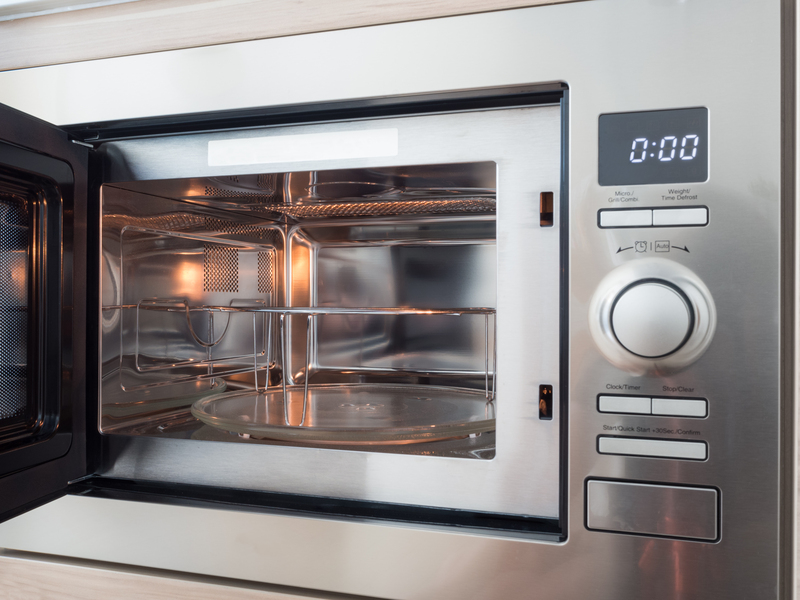
Thorough oven cleaning is more than lifting out a few trays and wiping the door. A proper clean pays attention to the parts that most affect performance and appearance: the oven cavity, fan area where accessible, side walls, base, door glass, racks, shelves, trays, knobs and seals. We work carefully around the appliance finish so the clean supports the condition of the oven without leaving unnecessary marks, streaking or residue from cleaning products.
Different ovens need different methods. A built-in single oven, a double oven, a range-style appliance or a compact combination unit each has its own layout and removable elements. The work may also vary depending on whether the oven has catalytic, enamel or another internal surface, because each finish benefits from a suitable approach. In practice, that means assessing the appliance first and choosing the cleaning method to suit the surface rather than forcing the same treatment onto every model.
When the service is arranged for a kitchen with regular family use, the emphasis is often on removing the build-up that accumulates from roasting, grilling and repeated spills. That can include grease on the internal glass and heavy deposits on shelves or trays that are awkward to manage at home. The final result is intended to be a cleaner oven that is more pleasant to open, inspect and use, with the most visible grime reduced across the main accessible parts.
Deep cleaning for built-in and range ovens

Some ovens need more than routine maintenance because they have been used heavily or left for a long time between cleans. In those cases, a deep oven clean can be the better option. This type of work is designed to deal with heavier residue, burnt-on fat and long-standing dirt that may cling to the cavity, racks and door glass. The emphasis is on methodical cleaning rather than speed, because stubborn build-up often needs time, care and repeat attention to remove properly.
Range ovens and larger built-in units can require a more detailed process because they have additional sections, multiple compartments or a wider cooking area. The benefit of a deeper clean is not only appearance. It can also make it easier to see the cooking surfaces clearly, identify ongoing issues such as residue around the seals, and keep the appliance in a more manageable condition between future cleans. Where removable parts are available, these are usually dealt with separately so that each component receives attention suited to its material and shape.
Supported service decisions are usually straightforward: choose a standard clean when the oven is dirty but still manageable, or choose a deeper clean when the build-up is more extensive and the appliance needs extra care. If you are unsure which level suits your oven, a short description of the appliance type and condition is enough to start the conversation. For many customers, the best result comes from matching the cleaning method to the real condition of the oven rather than selecting the biggest option by default.
Kitchen appliance cleaning and related surfaces
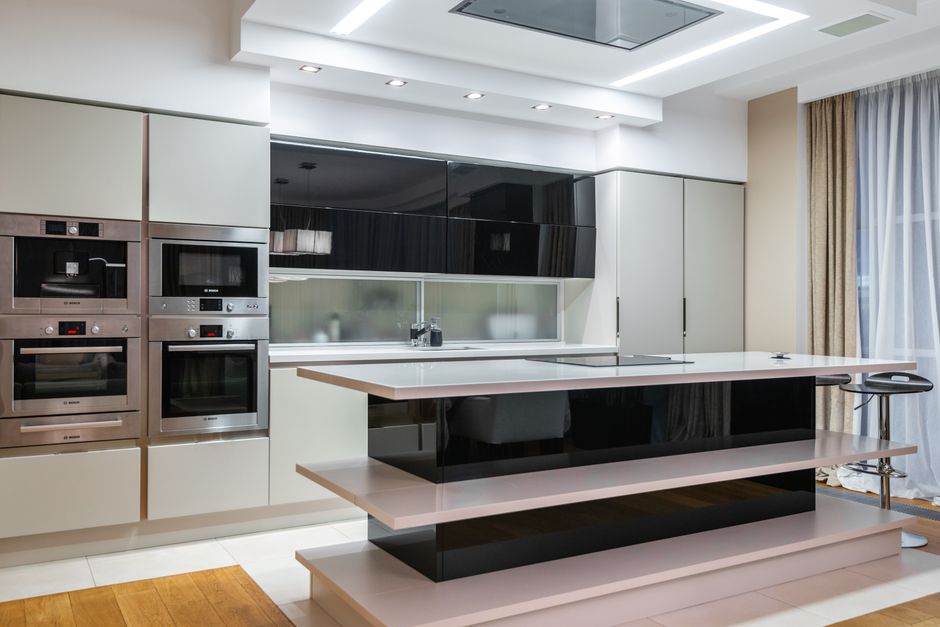
Oven cleaning often sits alongside other kitchen appliance tasks, especially where grease and splashes have spread beyond the oven itself. We can clean parts of the surrounding cooking area where appropriate, including the hob surface, extractor exterior, splash-prone panels and nearby visible residue. This helps create a more joined-up result across the cooking zone, rather than leaving one clean appliance next to an area that still looks heavily used.
For households that prefer a more complete finish, the service can be combined with other targeted cleaning work from the same visit. That might include the oven door frontage, control area, accessible edges and adjacent surfaces that naturally collect grime during cooking. The important point is that each part is treated according to its finish, so the cleaning remains practical and safe for the materials involved. The work is not about overpromising a showroom effect; it is about making the visible cooking area cleaner and easier to live with.
Choosing the right scope is often a matter of priorities. Some customers want the cooking appliance brought back into good order, while others want the full visible kitchen area tidied at the same time. If you want to compare those possibilities, it helps to think about which surfaces are most noticeable day to day and where the heaviest build-up has gathered. Clear priorities usually lead to a cleaner result and a more accurate quotation.
How the cleaning process works
Before any cleaning begins, the appliance is reviewed so the work can be planned around its layout, condition and removable components. That early check helps avoid treating every oven as if it were the same. Some doors open and dismantle in a straightforward way; others have fittings or seals that need more careful handling. The purpose of the process is to clean thoroughly while respecting the appliance’s design and finish.
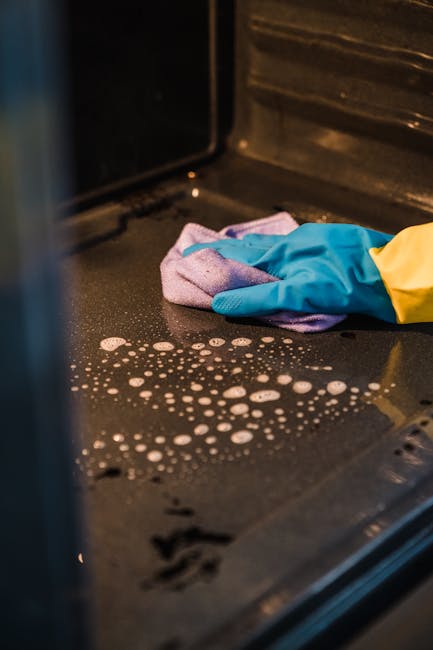
The cleaning itself is normally carried out in stages. Loose debris and surface residue are dealt with first, then the more stubborn areas are treated in turn. Shelves, trays and other removable parts are handled separately so that their surfaces can be cleaned more fully. Attention is then given to the door glass, internal edges and any areas where grease tends to settle. This staged approach helps produce a more even result than trying to work across the whole appliance at once.
For customers, the useful part of this process is that it breaks a difficult job into understandable steps. Instead of a vague promise, the clean follows a clear sequence and focuses on the appliance areas that are most likely to affect appearance and day-to-day use. That makes it easier to understand what is being done, what is included and why different ovens may need slightly different treatment.
When a quotation is requested

Quotation requests work best when they are simple and specific. It is usually enough to say what type of oven needs cleaning, whether it is built-in or freestanding, and how many cooking compartments are involved. If there are extra items such as a hob, extractor exterior or additional trays, mentioning them at the start helps keep the quotation accurate. One clear description is normally more useful than a long list of guesses.
The condition of the appliance matters as well. A lightly used oven and one with heavy burnt-on residue can involve very different levels of work. If you know whether the oven has been cleaned recently, or whether there are issues such as stubborn glass marks or stubborn grease around the seals, that can help shape the quote. You do not need to prepare a full technical specification; just enough detail to reflect the real job is usually the best place to begin.
To move things forward, simply ask for a quotation and outline the appliance you have. If you want to keep the process quick, note the oven style, the number of ovens if more than one needs attention, and any other visible cooking surfaces you would like included. Request a quotation when you are ready to compare the likely scope and decide how much cleaning to include.
Choosing the right level of oven cleaning
Not every appliance needs the same amount of work, and that is why the right level of cleaning matters. A standard clean may suit an oven that has everyday grime but no extreme build-up, while a more detailed clean is better where grease has hardened over time. This is one reason the service should be based on the actual state of the appliance rather than a generic package description. The best choice depends on how the oven is used and what condition it is in now.
There are also practical differences between internal parts and external finishes. For instance, door glass may need a careful polish after the main residue has been lifted, while shelves and trays might need soaking and separate attention. Some appliances also have awkward corners or smaller spaces that collect grime more easily. A thoughtful approach takes those details into account so that the result is consistent across the whole appliance instead of looking clean in one place and tired in another.
If you are comparing options, think about the difference between maintenance cleaning and a deeper reset. Maintenance cleaning helps keep the oven usable and more presentable, while a deeper clean tackles heavier residue and long-term build-up. Both approaches have their place, and the right choice usually comes down to timing, use and how much stubborn dirt is already present.
About Surrey

Surrey is a county in south-east England with a varied landscape that moves from the chalk ridges of the North Downs to the more wooded, river-cut scenery of the west and south. The county has long been shaped by its proximity to London, but it also has a strong identity of its own, with historic market towns, suburban centres and extensive areas of countryside. Guildford, often regarded as the county town, has a recognisable high street, a castle keep and a river setting that reflect the layering of medieval and later development. Elsewhere, towns such as Woking, Epsom, Reigate and Farnham show different aspects of Surrey’s growth, from transport-led expansion to older civic cores that retain period streets and local landmarks. The River Wey, the Thames along the north edge, and smaller waterways across the county have all influenced settlement patterns, milling, trade and recreation over time. Surrey also contains a wide range of architecture, from historic churches and Georgian terraces to Victorian civic buildings and twentieth-century housing estates, giving many places a mixed built character. Much of the county includes designated green space, including large commons, country parks and parts of the Surrey Hills Area of Outstanding Natural Beauty, which is known for its rolling scenery, walking routes and views across the Weald and beyond. Cultural life is varied too, with theatres, museums, sports venues and local festivals contributing to a busy calendar in towns and villages. That combination of historic places, accessible countryside and modern commuter settlement gives Surrey a layered identity that is both urban and rural, formal and informal, depending on the part of the county being described.
Preparing your appliance for a clean
A little preparation can make the appointment easier and help the work progress smoothly. It is useful to make sure there is clear access to the oven and that nearby items are moved aside where possible. If the appliance has loose accessories inside it, those can be mentioned at the outset so they can be handled appropriately. This is not about creating extra work for you; it is simply a practical way to reduce delays when the cleaning begins.
It can also help to think about whether any other kitchen surfaces should be included at the same time. For example, some customers prefer the oven alone to be cleaned, while others want visible grease around the hob area or extractor casing dealt with as well. A short message with the basic details is usually enough. If you are requesting a quotation, give the oven type, the number of items involved and any key areas that matter most to you.
Once the scope is clear, the process becomes simpler for everyone. The work can be planned around the appliance layout and the areas that need the most attention, and you can decide whether the clean should be focused or more comprehensive. If you are ready to take the next step, ask for a quotation and describe the oven in straightforward terms.
Why a focused oven clean is useful
A focused oven clean is useful because it addresses the parts of the kitchen that are often seen every day but cleaned less often than they should be. Burnt-on residue can make a cooking appliance look neglected even when the rest of the kitchen is tidy. Cleaning the oven properly reduces that contrast and helps the appliance sit more neatly within the room. It can also make inspection easier, which is helpful when you want to keep an eye on the condition of the seals, glass or shelves.
There is also a practical side to keeping the appliance in better order. When grime is allowed to build up, future cleaning can become harder and more time-consuming. By tackling the residue before it becomes excessive, it is often possible to keep the oven in a more manageable condition. That does not mean every clean has to be a full deep treatment; rather, it means the level of cleaning can be matched to what is currently needed and what will help going forward.
For many customers, the value lies in having a kitchen area that feels cleaner without taking on the whole room. A well-cleaned oven is a small but noticeable improvement, especially where cooking is frequent. If that is the result you want, then a straightforward request for a quotation is usually the best starting point.
Booking a quotation for oven cleaning
When you are ready to get started, keep the request simple and focused on the appliance itself. Mention whether the oven is single, double or a different style, and say if you would like any related cooking surfaces included. If there is heavy build-up, that is worth noting too, because it can affect the amount of time and effort involved. A clear description helps make the quotation more accurate and avoids confusion later.
You do not need to present the job as a long checklist. In most cases, the useful points are the type of oven, the condition it is in and any extras you would like considered. If you are comparing options, think about whether you want just the oven cleaned or a broader kitchen appliance clean. That choice can shape the work quite a bit, so it is worth deciding early.
For a straightforward next step, ask for your quotation and explain what needs cleaning. If you want to compare the standard work with a deeper clean, say so in the same message. Contact us about oven cleaning when you are ready to discuss the job and arrange the next stage.